
Platelet-Rich Plasma (PRP)
A biologic approach to tissue repair and regeneration.
What is PRP
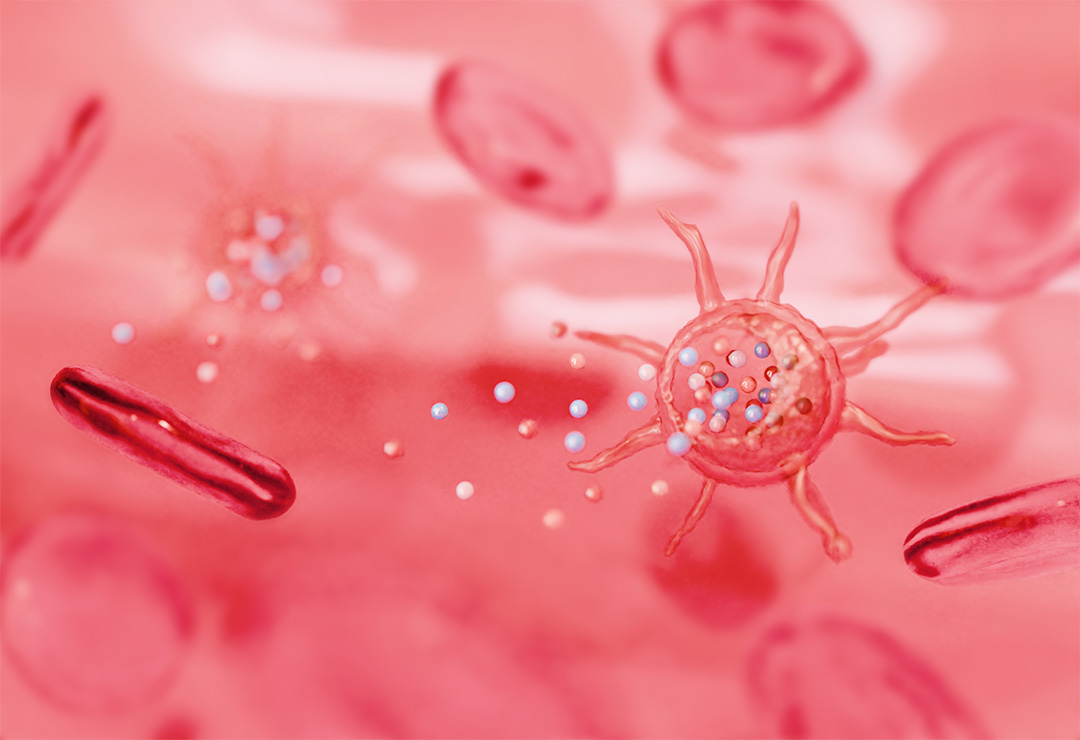
Platelet-Rich Plasma is an autologous blood-derived preparation obtained by centrifuging whole blood to concentrate platelets within plasma. Depending on the preparation method, PRP may vary in platelet concentration, leukocyte content, fibrin architecture, plasma proteins, and extracellular vesicle composition.
In clinical research, PRP has been explored as a regenerative approach because platelets contain growth factors such as Platelet-Derived Growth Factor (PDGF), Vascular Endothelial Growth Factor (VEGF), and Epidermal Growth Factor (EGF), which are involved in cell migration, tissue remodelling, angiogenesis, and epithelial repair.1
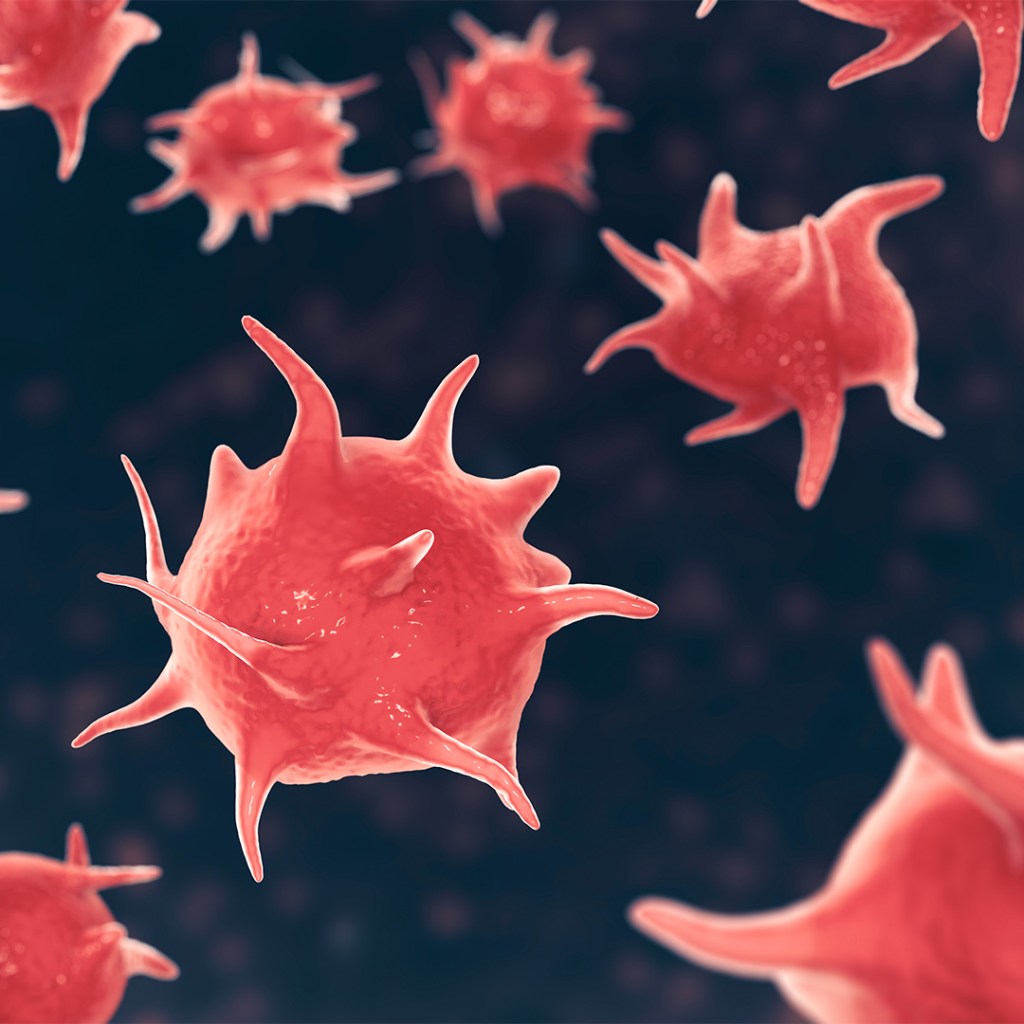


PRP is not a single standardised product. Its biological profile can differ according to blood collection method, centrifugation protocol, single-spin or double-spin preparation, activation method, and final cellular composition. This variability is one of the main reasons why published clinical outcomes can differ between studies and indications.

Properties/Mechanism of Action
PRP is studied for its potential to support tissue repair through several complementary biological pathways:
- Growth factor release: When activated, platelets release growth factors and cytokines that can support cell proliferation, cell migration, matrix synthesis, and tissue remodelling.1
- Inflammation modulation: PRP may influence inflammatory signalling and immune-cell activity, including pathways associated with reduced pro-inflammatory cytokine activity and macrophage polarization.1
- Angiogenesis and vascular remodelling: PRP contains mediators such as VEGF that are involved in new blood vessel formation and nutrient delivery during healing.1
- Extracellular matrix support: PRP-associated factors can contribute to collagen synthesis, matrix organization, and tissue remodelling, which are particularly relevant in tendon and cartilage research.2
Because PRP composition is influenced by preparation protocols and patient-related factors, recent publications emphasize the need for more standardized classification, reporting, and treatment protocols.
Medical/Clinical applications
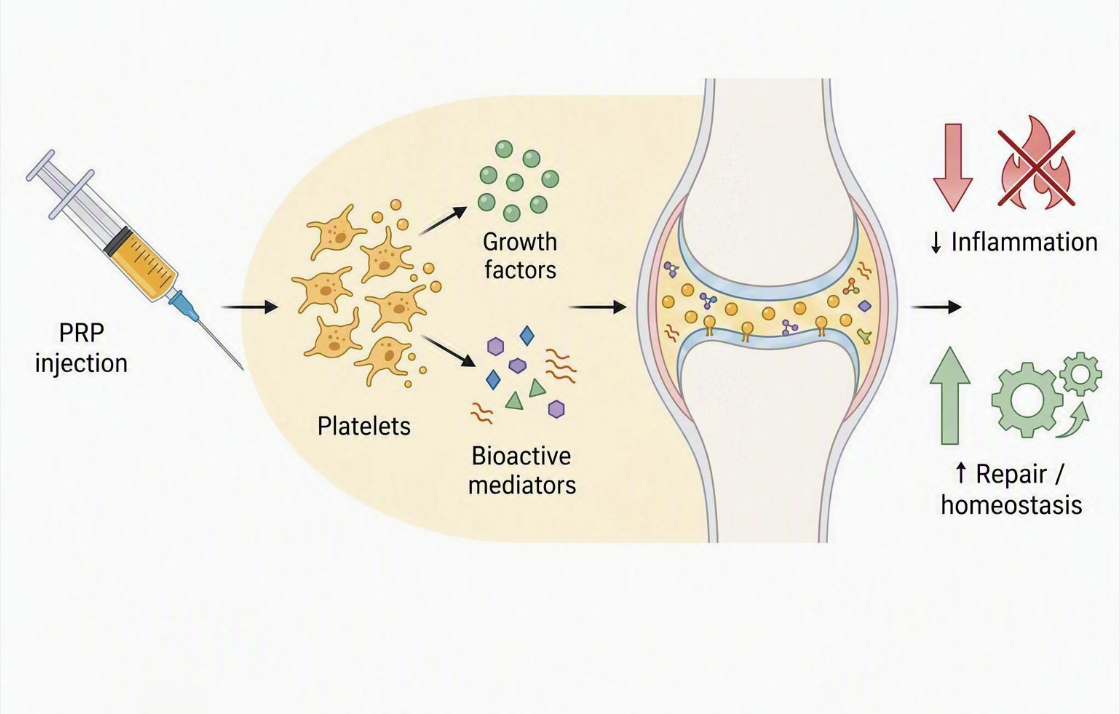
PRP is being studied in musculoskeletal disorders where tissue repair, inflammation, pain, and function are clinically relevant. Current evidence is strongest in areas such as knee osteoarthritis and selected chronic tendinopathies, although results remain influenced by PRP formulation, injection protocol, disease stage, and comparator treatment.3,4
Figure 2: PRP impact in Osteoarthritis.
Related products


Therapeutic areas
At the intersection of innovation and care, our integrated therapeutic approach supports patients across three vital domains
References
-
Wu WS, Chen LR, Chen KH. Platelet-rich plasma (PRP): molecular mechanisms, actions and clinical applications in human body. Int J Mol Sci. 2025;26(21):10804.
-
Kale P, Patel H, Jaiswal AM. Mechanisms, efficacy, and clinical applications of platelet-rich plasma in tendinopathy: a comprehensive review. Cureus. 2024;16(7):e65636.
-
Bensa A, Previtali D, Sangiorgio A, Boffa A, Salerno M, Filardo G. PRP injections for the treatment of knee osteoarthritis: the improvement is clinically significant and influenced by platelet concentration: a meta-analysis of randomized controlled trials. Am J Sports Med. 2025;53(3):745-754.
-
Nadeau-Vallée M, Ellassraoui S, Brulotte V. Platelet-rich plasma injections as a second-line treatment in patients with tendinopathy-related chronic pain and failure of conservative treatment: a systematic review and meta-analysis. Pain Med. 2025;26(7):407-419.
-
Liu Y, Liu J, Cao R. Platelet-rich plasma and combination therapies for dry eye disease: current advances and future directions. Transfus Med Hemother. 2025;53(2):94-103.